


In 2010, during a business trip to China, I visited Beijing for the first time.
While walking through the Forbidden City, I met a young woman who offered to show me details of the palace complex I would probably never have noticed on my own. We spent hours talking about history and architecture.
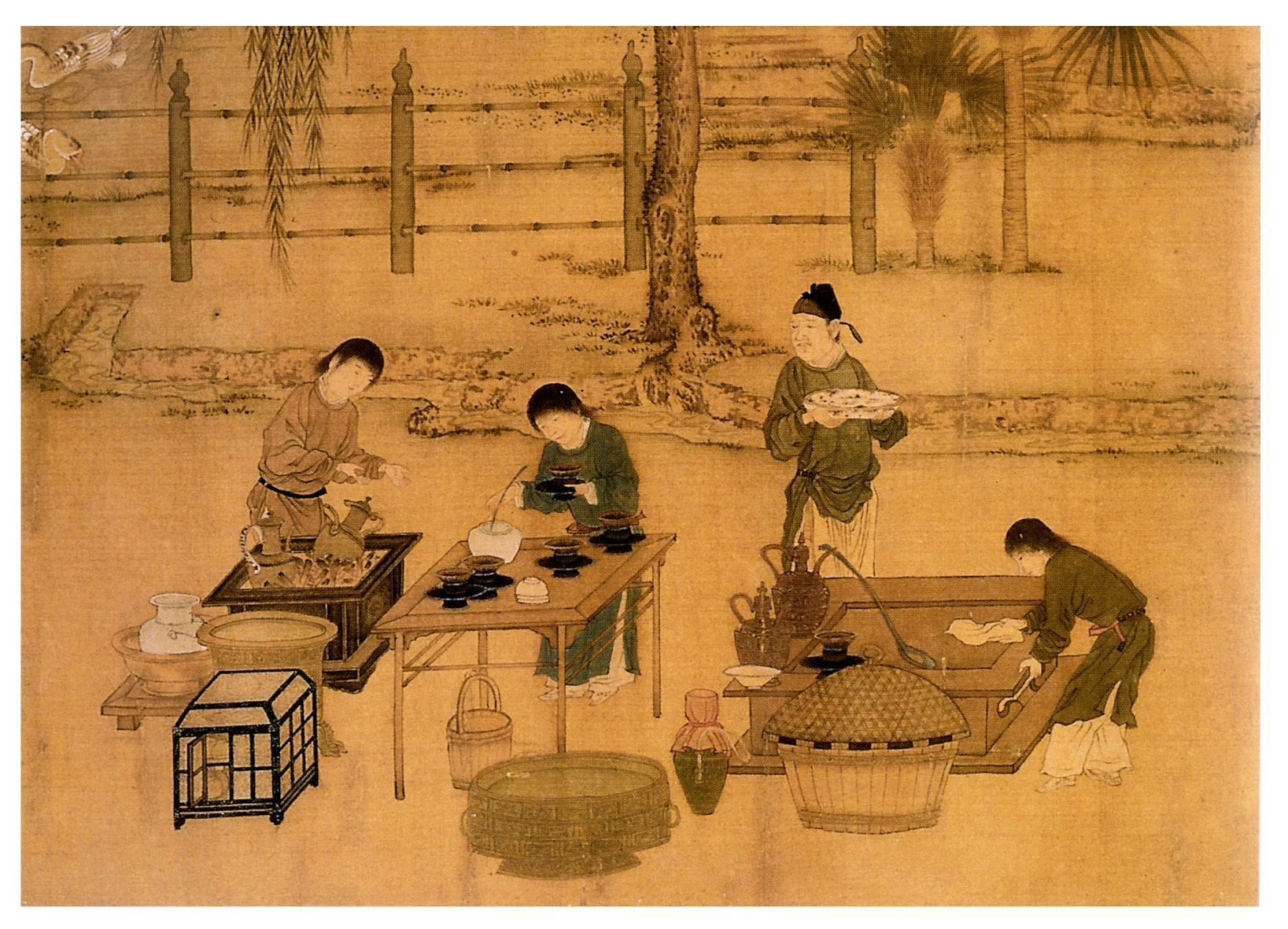
Later, after she “injured” her ankle, we stopped at a traditional tea house.
Everything felt deeply “authentic”:
small cups of tea, stories about tea spirits and dragons, ceremonial gestures, instructions to “listen to the energy of tea.”
Ten minutes later, I received a bill for around $150.
Only later that evening did I realize I had walked into a well-known tourist scam.
But over time, I understood that there was something more important in this story than simply being overcharged.
I was deceived twice.
The first time — financially.
The second time — culturally.
Because everything presented to me as “traditional tea culture” turned out to be a fabricated performance designed specifically for tourists.
Not a real tradition.
Not a real ceremony.
Not a real cultural experience.
But a commercial imitation of one.
Years later, I began noticing similar patterns in many countries:
tourists are increasingly sold not culture itself, but simplified, theatrical, and sometimes entirely invented versions of it.
And the problem is not only that tourists are being misled.
The bigger problem is that such imitations gradually begin replacing authentic traditions, crafts, and cultural environments themselves.
Real culture often becomes less economically competitive than its bright, simplified copy.
Looking back, I think this was one of the moments when I first became genuinely interested in cultural heritage and traditional craftsmanship.

The Market for Fake Authenticity
Many times, while visiting tourist areas, markets, and souvenir stalls, I have heard buyers ask the same questions: Is this traditional?Where was it made?Is it handmade?Is it really local? People who buy these objects are often looking for more than just a souvenir. They are looking for a connection to culture. A story. A trace

